
 Orkonerei FM
20 October 2026, 11:19 am
By Isack Dickson
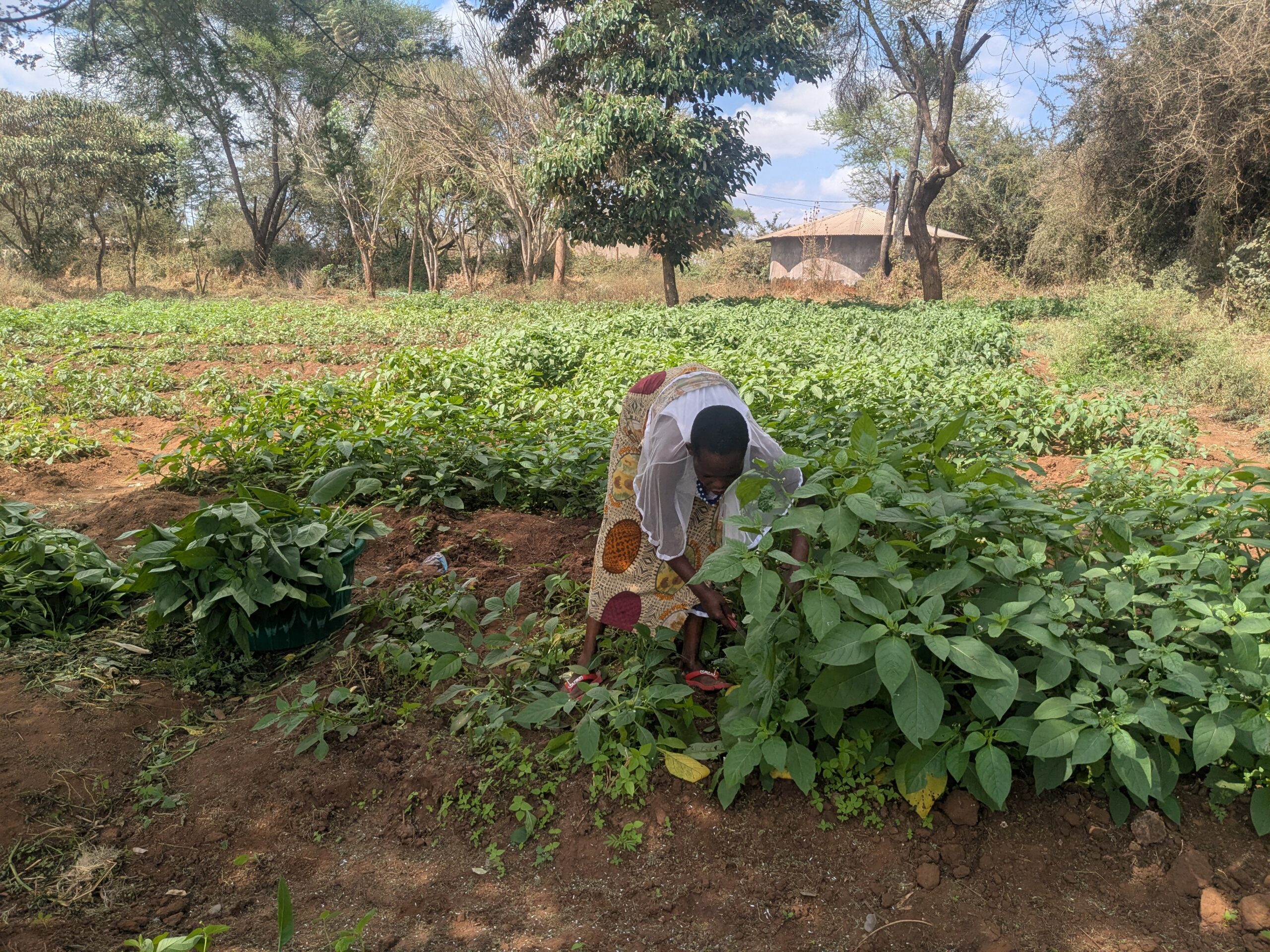
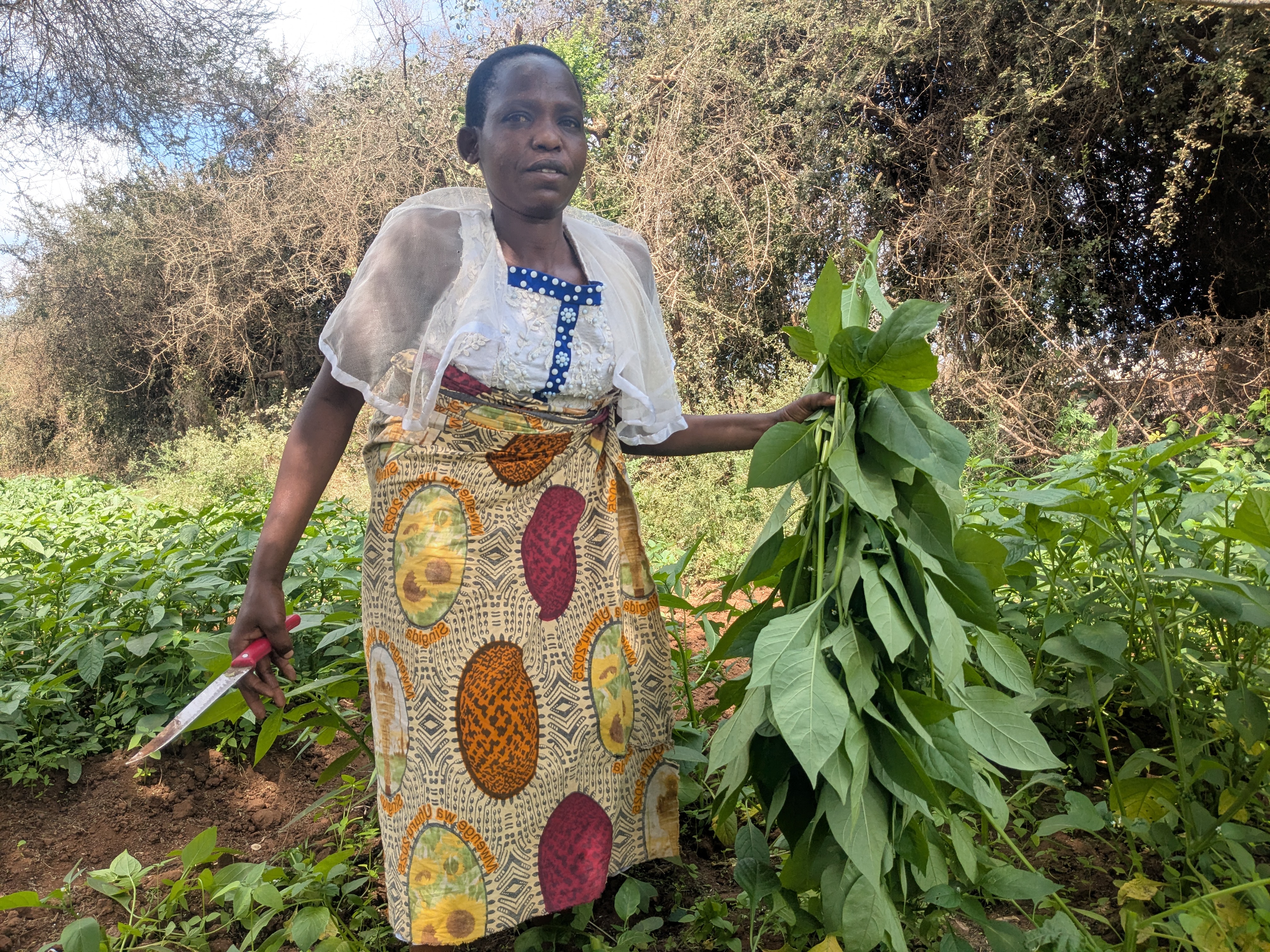
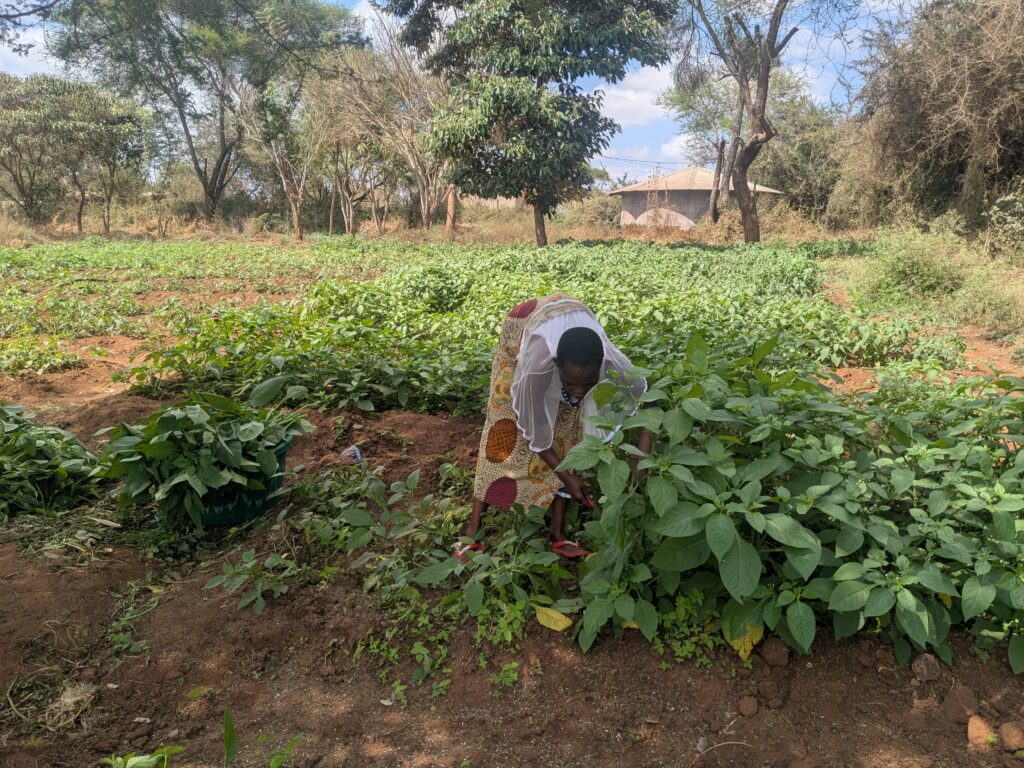
When we visit Ester Iddy’s garden in Terrat village in Tanzania Simanjiro District, we find her busy harvesting vegetables in her garden in readiness for the Thursday market day.
On a normal day, she can sell between 10 and 18 bundles of amaranth to neighbours visiting the farm to pick supplies for their households and traders purchasing wholesale to resell at the market.
“A bundle of amaranth sells for 500 shillings, while daily sales can reach 20,000 shillings,” she says.
But on Thursdays, the demand shoots up, with up to eight women traders showing up, each buying about 20 bundles.
Ester, 39, says the reliable income from vegetables helps her meet her family’s needs, including paying school fees for her two children.
Previously a maize farmer, she turned to vegetables farming to cut the costs of renting land and maximise returns from the short-maturing crops amid unpredictable rains.
“Renting one acre cost 40,000 Tanzanian shillings per season. When rainfall was unpredictable, you could spend money preparing the farm without knowing whether the harvest would cover those costs,” she says.
She grows amaranth, spinach and Chinese cabbage, depending on the season, on the garden she established two years ago with personal savings.
She obtained the first vegetable seeds from Tanzania Conservation and Community Empowerment Initiative (TACCEI), an organisation that supports women and communities to improve their economic well-being through farming and small businesses.
Ester’s garden is on land provided by ILARAMATAK, a community organisation that also supplies water from a nearby borehole powered by solar energy.
“The organisation provides the land and water, while I do the work and manage production. We share the income, with each side getting about 50 per cent. There is no written contract,” she says.
She has started taking steps to expand her garden and introduce drip irrigation to reduce water consumption. Currently, she uses hose pipes to irrigate her crops, a method she says consumes a lot of water. Expanding production will require additional water distribution infrastructure.
Yohana Meliyo Mollel, an agricultural expert at TACCEI, says drip irrigation can help farmers use water more efficiently.
“For example, if someone has 20-litre buckets and sets up a simple drip irrigation system using small, narrow pipes placed underground, they can reduce water costs,” he says.
Ester’s experience contrasts sharply with that of Joyce Elius, who grows maize, beans and sunflower on their family farm in the same area.
Joyce relies on rainfall, leaving her farming activities vulnerable to changes in the timing and amount of rain.
“The 2026 season had delayed long rains, followed by heavy rainfall at one time. This made weeding difficult and increased pest problems,” she says.
She ended up harvesting 34 bags of maize and nine bags of beans. However, she says her earlier experience shows how production can vary between seasons under rain-fed farming.
“In 2023, I cultivated 10 acres and harvested 30 bags of maize per acre. That year, conditions were good,” she says.
Joyce’s situation reflects a wide gender gap in access to irrigation farming. According to data from the National Irrigation Commission (NIRC) for 2025–2026, of the 15,022 farmers in 769 groups across the country who received irrigation pumps, only 6,335 were women, compared with 8,702 men.
The figures highlight the barriers women farmers face in accessing and owning essential water and land resources needed for more reliable agricultural production.
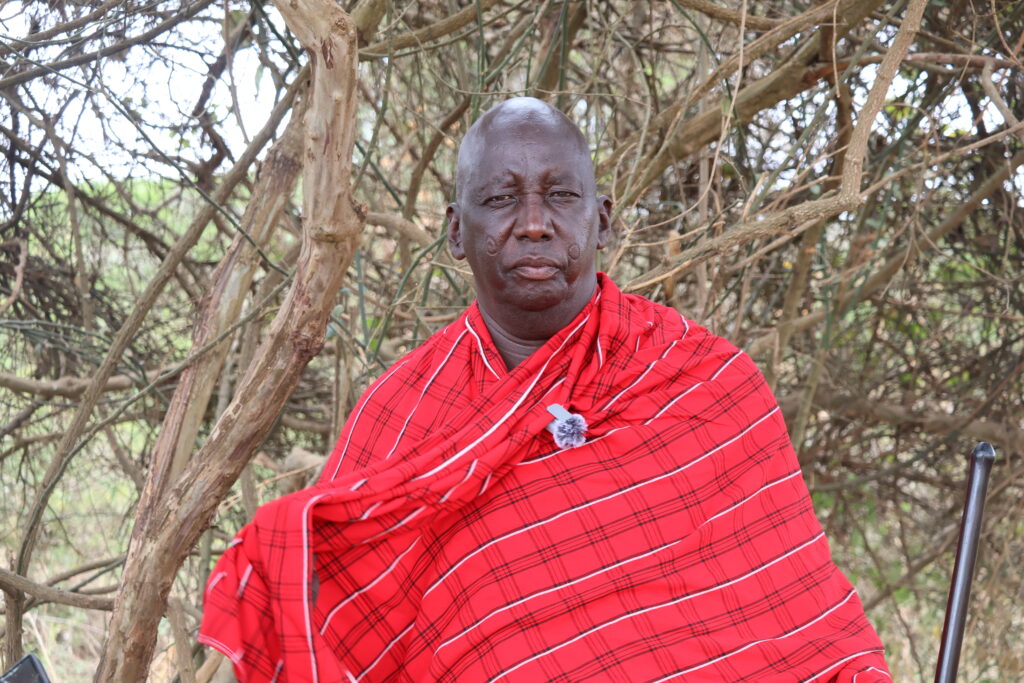
Godson Nduya, a traditional Maasai elder, says access to land for women has improved in some areas, but social attitudes towards ownership can still present obstacles.
He holds the view that women may be allowed to use land for farming without necessarily having the same rights as landowners.
Jane Mbuya, the Simanjiro district agricultural officer, says the government is providing agricultural education services to women in the area as they increasingly adopt crop farming, an activity traditionally a preserve of men in the pastoralist community.
“To help farmers cope with drought, we provide agricultural education at different times on crops that can withstand dry conditions,” Mbuya says.
This education is delivered through village meetings, and demonstration farms.
Mbuya also highlights the importance of diversifying income sources rather than relying on a single activity.
“We tell them that you can generate income without relying only on selling livestock at the market or slaughtering animals for sale. You can also run small businesses alongside livestock keeping or earn income through mixed-crop farming,” she says.
As the world marks the International Year of the Woman Farmer, greater efforts are needed to reach women such as Ester and Joyce. Although government programmes such as Building a Better Tomorrow (BBT) aim to empower young people and women in agriculture, implementation continues to face technical challenges.
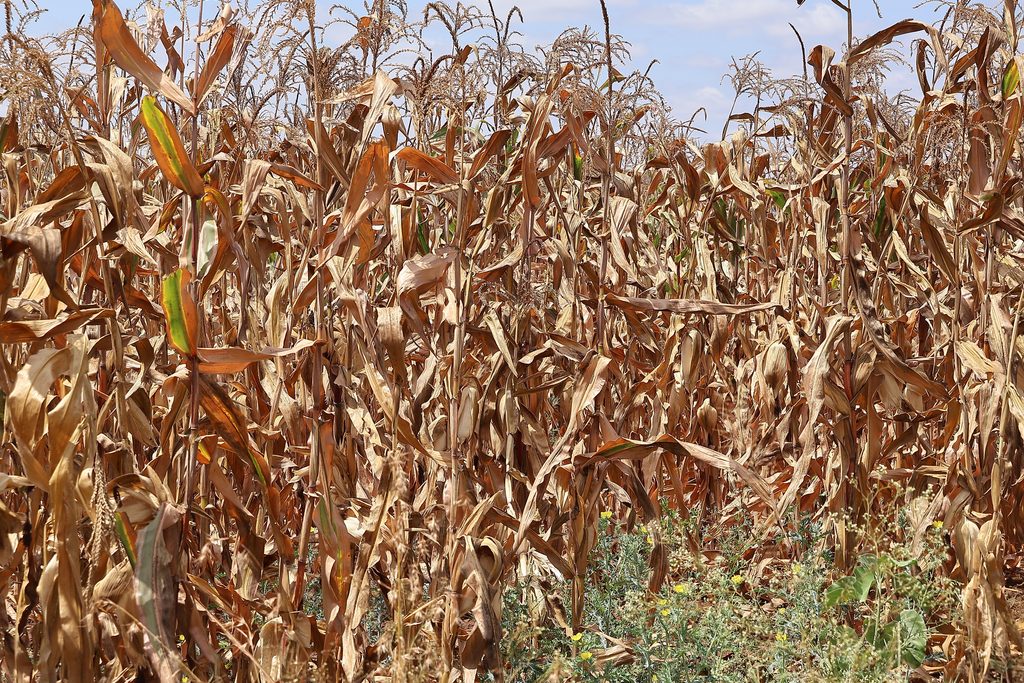
A 2024 study examining young people’s perceptions of the BBT programme in Manyara Region found that although many young people viewed it positively as an employment opportunity, about 40 per cent lacked technical agricultural skills.
These figures underline the importance of initiatives such as the Gender Equality and Inclusion–Gender Accelerator, led by CGIAR. The initiative seeks to place gender equality at the centre of agricultural research and development so that women can benefit equally from agricultural transformation.
According to the CGIAR GENDER Accelerator report, their experiences show that supporting women farmers requires more than encouraging them to grow crops. It requires accessible agricultural extension services, affordable technology, secure access to water and land, and reliable data to help farmers make informed decisions.
The challenges they face echo a warning from Ismahane Elouafi, CGIAR’s executive managing director.
“We cannot feed our future world without including women in our food systems. The choices we make in the coming years will determine whether our food, land and water systems become more equitable or remain unequal, and more resilient or more fragile,” she says.
These measures matter not only for individual farmers’ livelihoods but also for implementing the international agreements to which Tanzania is a party, including the Convention on the Elimination of All Forms of Discrimination Against Women (CEDAW).
Climate change conferences, including the Conference of the Parties (COP), must also focus on addressing the practical needs of women farmers such as Ester and Joyce. This means securing access to water, land and clean energy while strengthening the resilience of food systems.
Nicoline de Haan, director of the CGIAR GENDER Accelerator, offers a guiding principle for achieving these goals: “Investing in women, not as labourers but as leaders, is the only way to unlock the full potential of our food, land and water systems.”
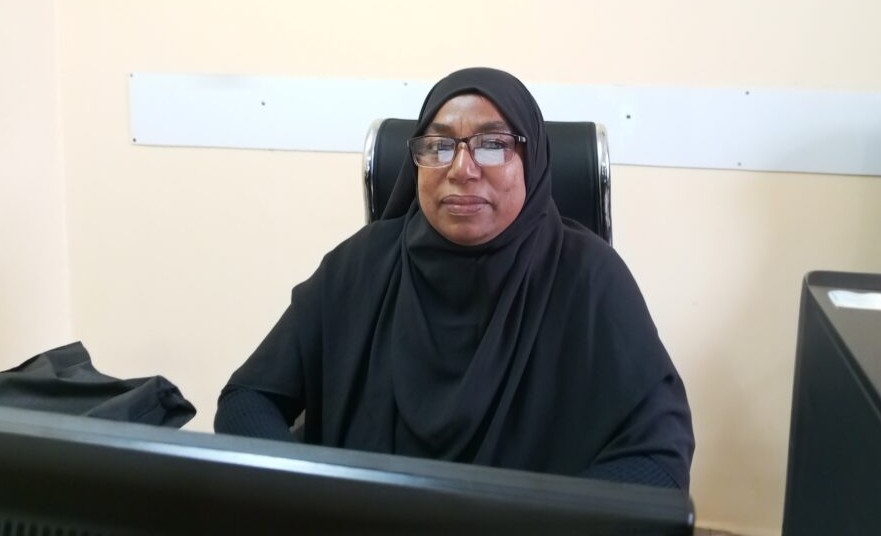
Salma Amour, the Tanzania Meteorological Authority’s manager for Manyara Region, says analysis of the authority’s data show annual rainfall has declined by approximately one to six millimetres per year in some areas, including Simanjiro and parts of Kilimanjaro. Some weather stations have recorded decreases of 20–45 millimetres per decade.
At the national level, TMA data show an average decline of 45.9 millimetres per decade between 1950 and 2020.
Declining rainfall has direct implications for women. According to a new report from the CGIAR GENDER Accelerator, released on October 15, 2026, to mark the International Day of Rural Women, climate change is expected to further reduce water availability. This could increase the time women spend collecting water by 30 per cent by 2050.
This story was published with support from The Media for Environment, Science, Health and Agriculture (MESHA).